
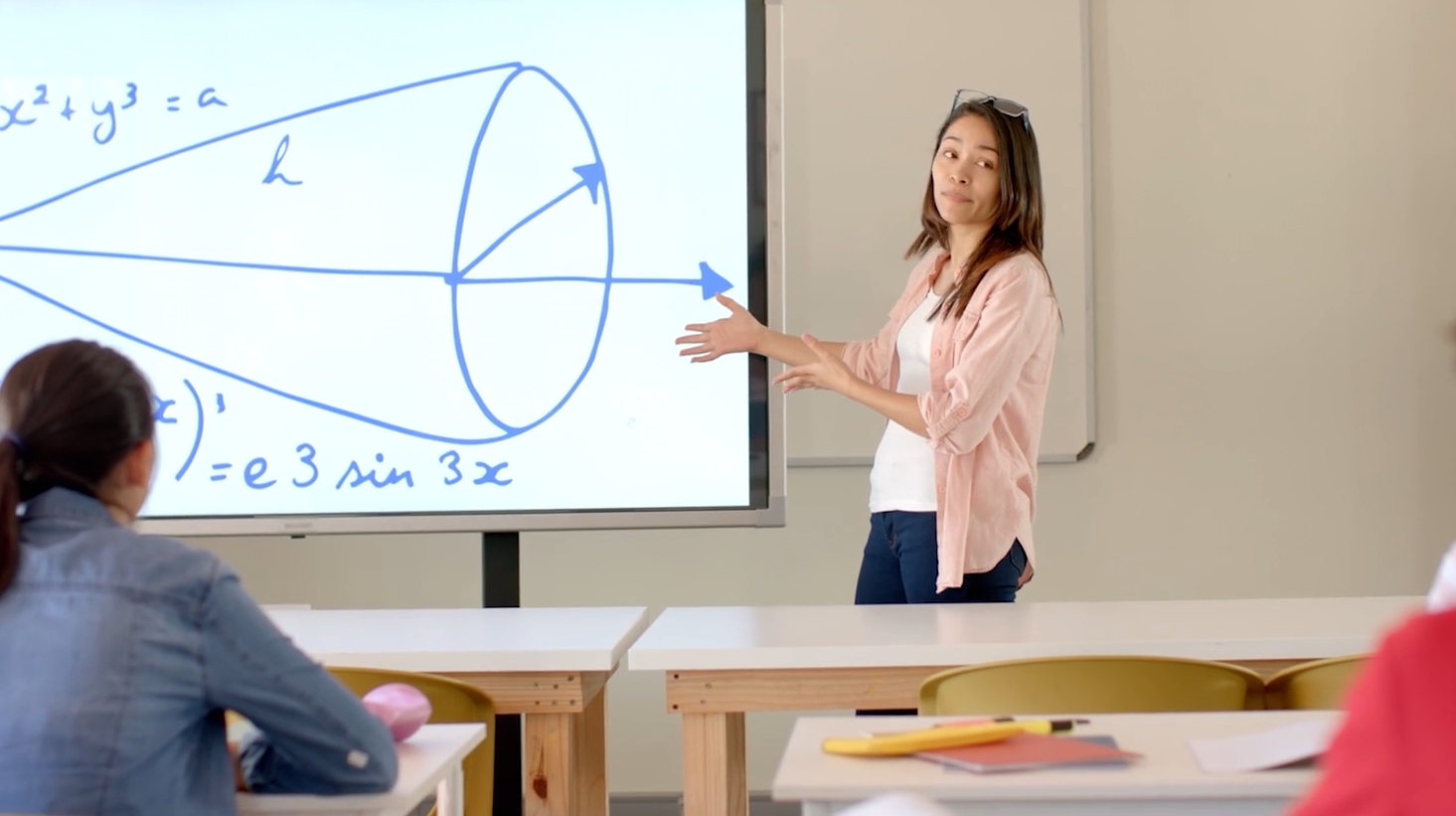
A classroom and its technology can unintentionally create barriers to learning. However, when built with accessibility in mind, we can ensure everyone has the same opportunities for success.
Designing for accessibility means considering what students need to engage with instruction, whether they are in the room or participating from another location. A display that works well from the front of a lecture hall may be harder to see for someone sitting farther back. Understanding lectures depends on what students can hear.
So, integrating displays that provide the brightness necessary to be seen from afar and via a classroom camera or assistive listening devices for those who need it, can further elevate learning for everyone.
In this Tech Trends video, AVI-SPL’s Kevin Schornhorst and Jimmie Singleton explore how modern classroom collaboration technology can address accessibility needs. You’ll also see how AVI-SPL works with Newline, Sennheiser, and Q-SYS to support more inclusive learning experiences.
Hear Insights Into
- How classroom technology can help improve access to course content
- Ways audio technology can address different listening needs
- What to consider when supporting students in hybrid and HyFlex environments
- What campus technology teams should consider as classroom systems become more complex
Plan for more accessible classrooms
AVI-SPL helps higher education institutions design and support classroom technology with accessibility in mind. Contact AVI-SPL to explore more inclusive learning environments.