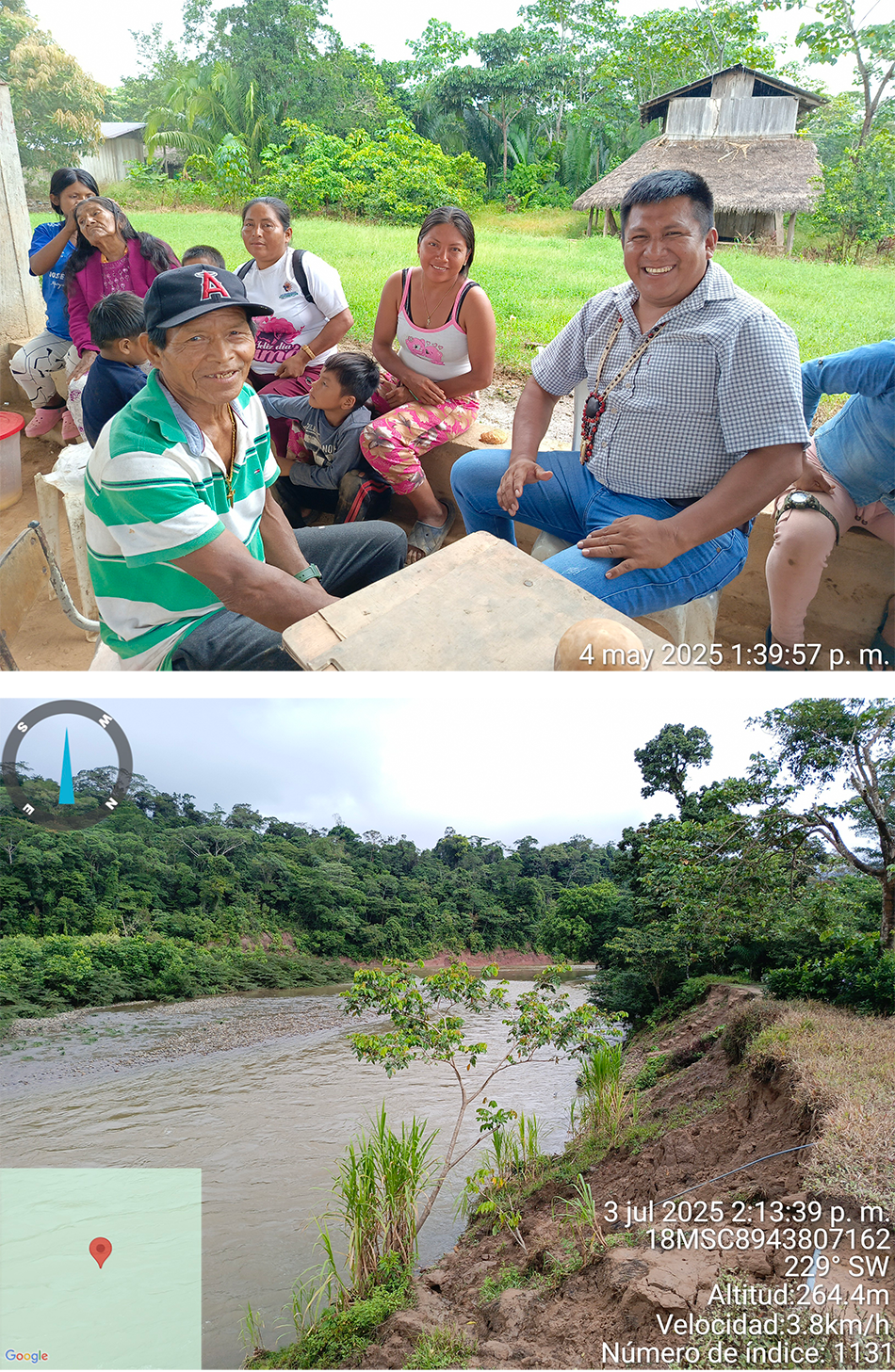
This is a placeholder image for a video that is currently unavailable.
Protecting Ecuador’s Amazonian Rainforest
How AVI-SPL is Supporting the Shuar People’s Role as the Guardians of the Forest
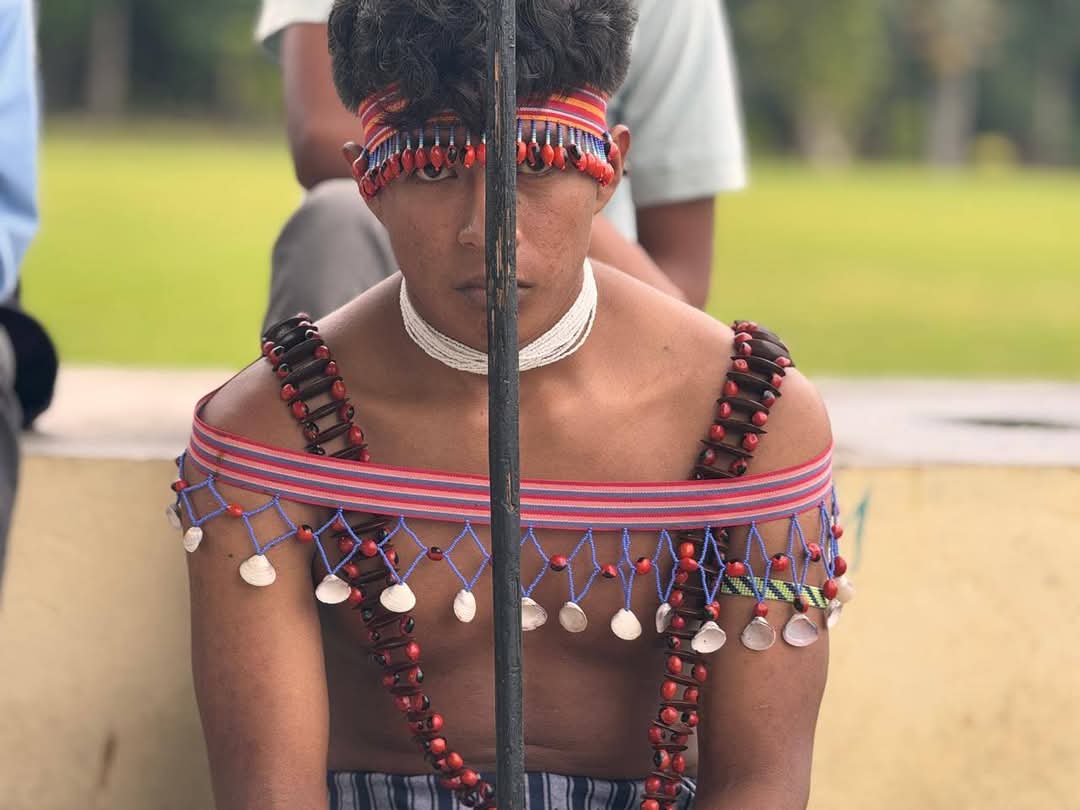
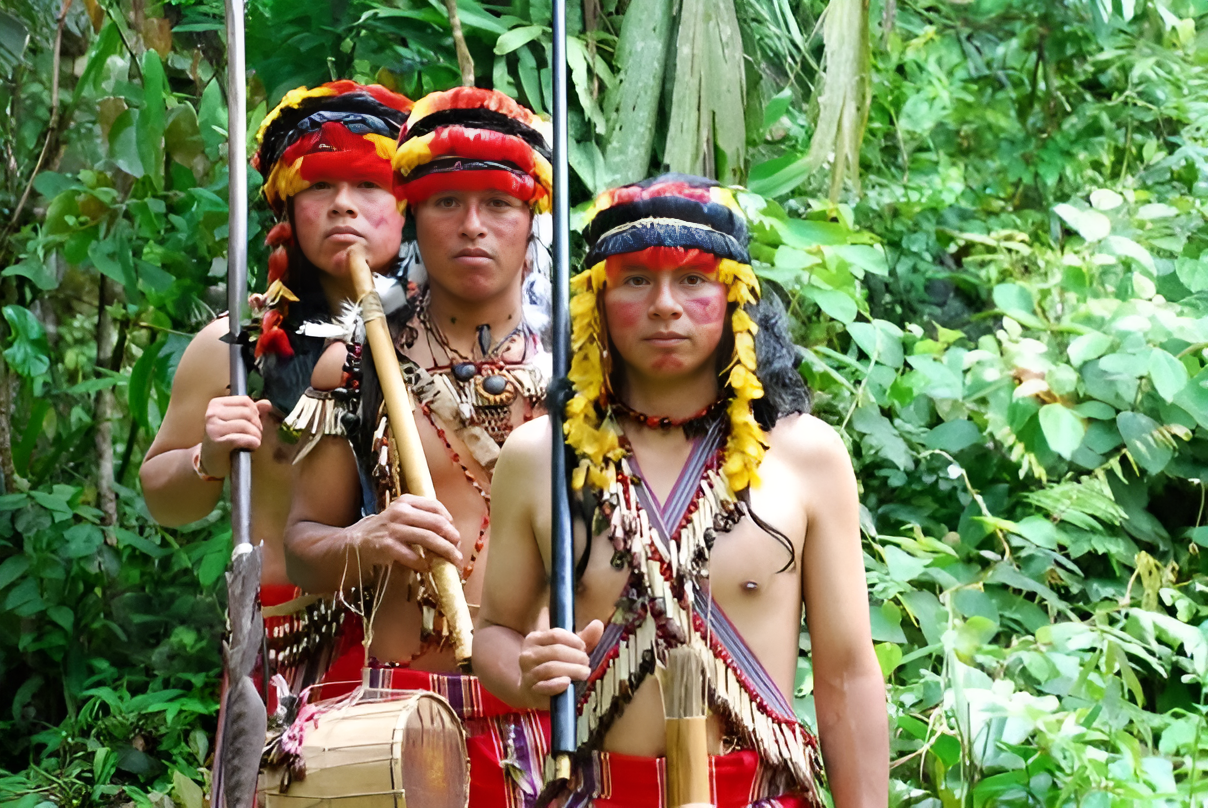
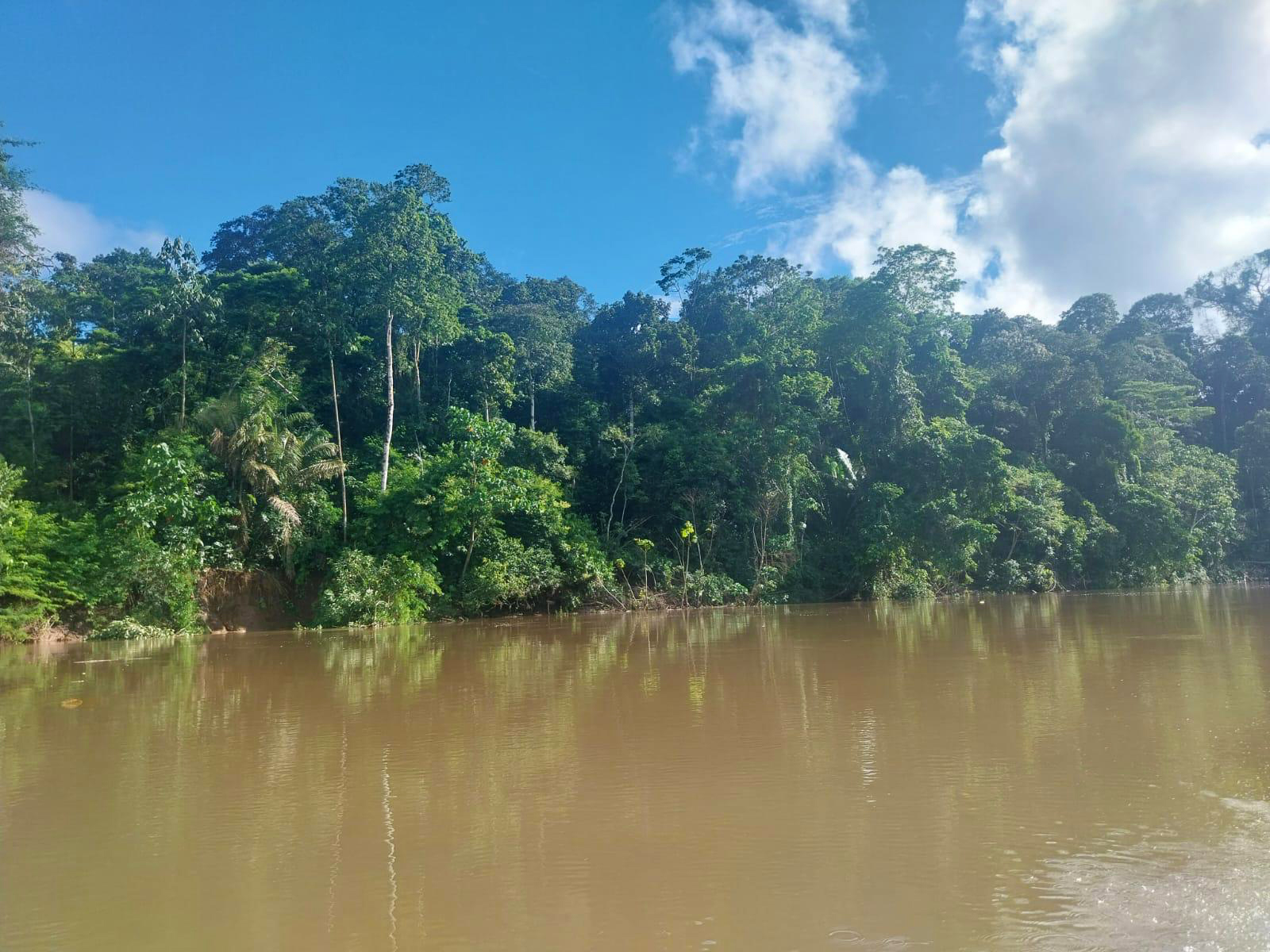
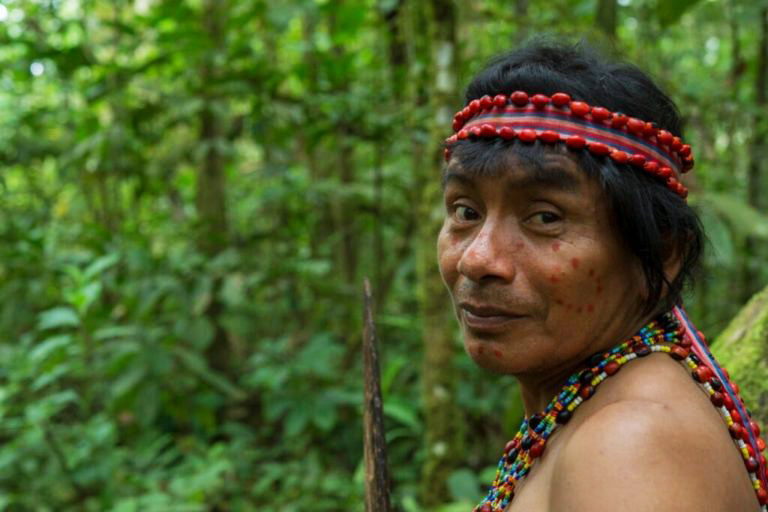
In the remote highlands of southeastern Ecuador, where the Andes meet the Amazon, a green ocean of rainforest breathes life into the planet. This is the ancestral home of the Shuar people: the guardians of the forest whose culture, language, and survival are bound to the rhythm of the rivers and the canopy above.
Here, a new kind of partnership has taken root, one that blends ancient wisdom with modern technology, community stewardship with corporate responsibility. AVI-SPL is funding research led by sustainability consultancy 2050 Advisors and conducted hand-in-hand with Shuar communities to protect hundreds of thousands of acres of tropical rainforest from deforestation and biodiversity loss while restoring local livelihoods.
The rainforest the Shuar guard lies in Ecuador’s Morona-Santiago region. The project boundary encompasses roughly 141,000 hectares (348,410 acres) of old-growth rainforest in the Amazon Basin, home to the world’s richest biodiversity. Every leaf and river here is part of a system so intricate that scientists believe the Amazon stands at a critical tipping point for planetary health.
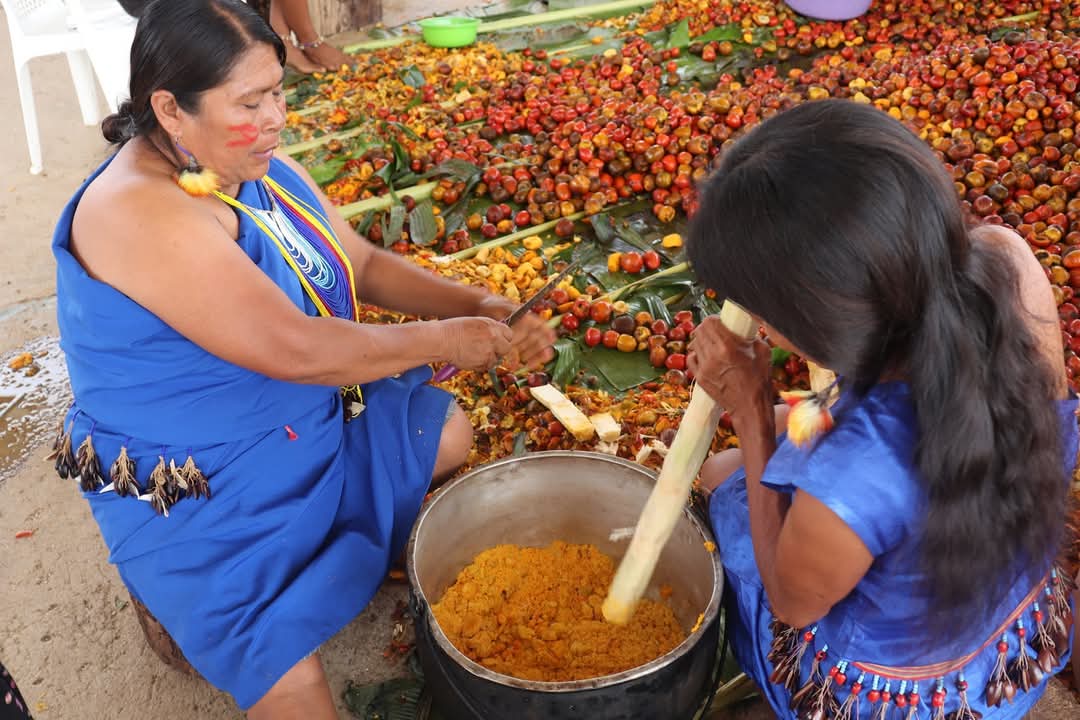
It’s here that the Shuar people have lived symbiotically with the forest for centuries. Their culture, language, and spirituality are rooted here. Yet pressures from illegal logging, mining, and agricultural expansion have steadily increased, stripping vast areas of tree cover and putting the forest and the Shuar way of life at considerable risk.
Allies in Balance
In 2025, a new alliance emerged to support the Shuar guardians of the forest. AVI-SPL, a global technology solutions provider, partnered with sustainability consultancy 2050 Advisors to design and launch a United Nations REDD+ (Reducing Emissions from Deforestation and Forest Degradation) project from the ground up. REDD+ projects preserve rainforest, support Indigenous owners, and generate carbon credits for avoiding the release of greenhouse gases that would otherwise have been emitted into the atmosphere.
Rarely do private-sector technology companies initiate such ventures; global brands typically purchase credits from projects already designed by governments, NGOs, or consultants. AVI-SPL receives a portion of the carbon credits generated. But the Shuar hold the majority, anchoring this investment in Indigenous stewardship. At the same time, the Shuar gain new tools and skills essential to their sustainable development.
This is what makes AVI-SPL’s model so different. Rather than purchasing credits from a far-off third party, AVI-SPL chose to plant early-stage seed funding directly into the Shuar-led conservation effort, creating a transparent, measurable, community-centered impact model that honors the REDD+ model of community investment.
According to the UN framework, REDD+ projects require both the highest levels of data integrity and human integrity, a model that not only conserves rainforests and biodiversity but also uplifts the communities that call it home. The “+” in REDD+ signifies co-benefits beyond carbon: healthier livelihoods, cultural preservation, and regeneration for both people and planet.
“The forest is our supermarket, our pharmacy, and our spirit,” said one Shuar leader during the early months of consultation. “If we lose it, we lose ourselves.”
This initiative is more than a carbon offset project; it’s a blueprint for coexistence. The project protects a chronically threatened rainforest zone in Ecuador, the country’s third-highest deforestation region. It establishes a new paradigm for climate action that unites technology-based and nature-based solutions (NbS). As the world searches for credible pathways to Net Zero, NbS like this one offer a way to counterbalance emissions while restoring ecosystems that sustain life.
From Consent to Commitment
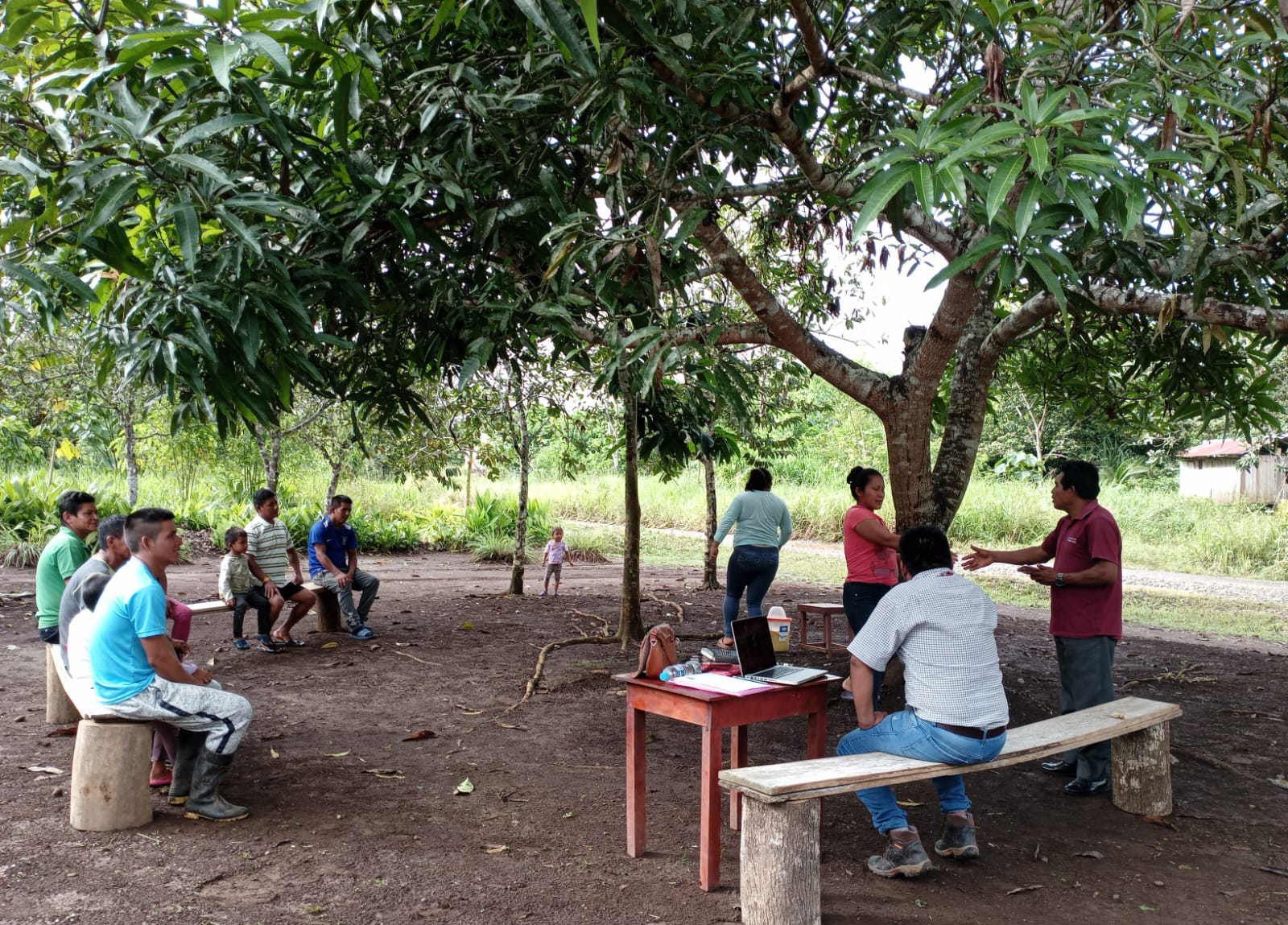
But long-term conservation can’t begin without trust. Before a single tree was mapped or measured, the project was grounded in human rights and respect. Under the Ecuadorian Constitution and international law, the Shuar hold collective legal ownership of the territories they inhabit, making them the recognized guardians of this land.
In keeping with global best practices and the UN Declaration on the Rights of Indigenous Peoples, AVI-SPL and 2050 Advisors honored this governance by conducting a full Free, Prior, and Informed Consent (FPIC) process across all 40 Shuar territories, ensuring that Shuar authority and terms guided every stage of the project.
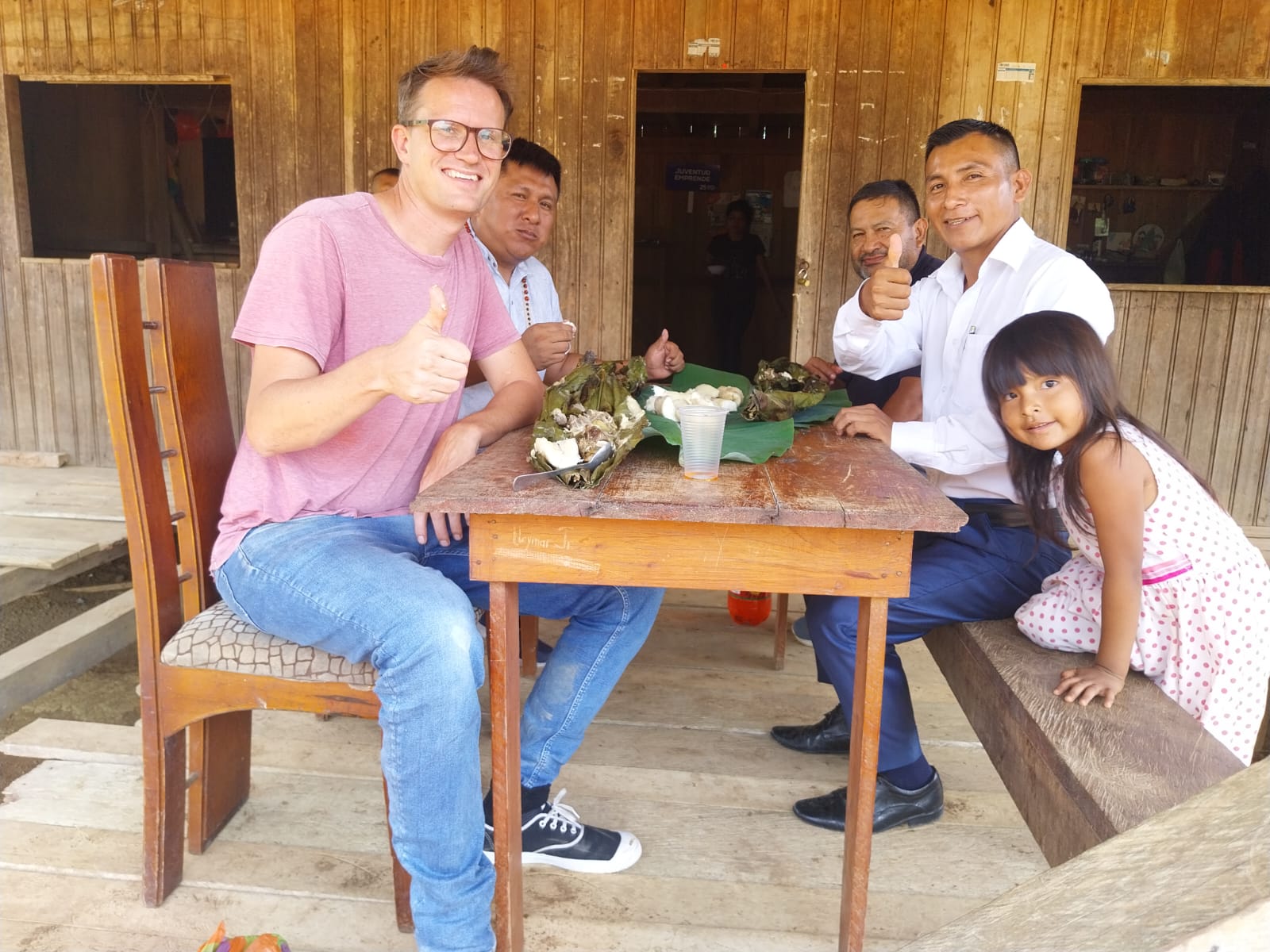
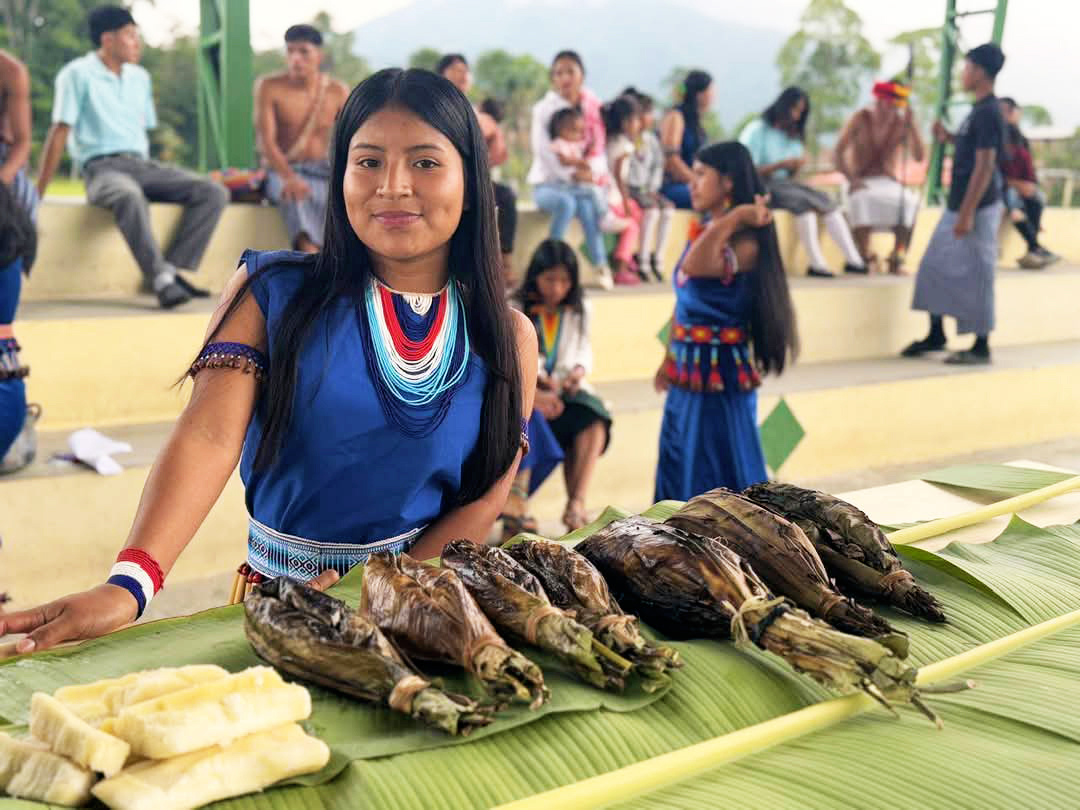
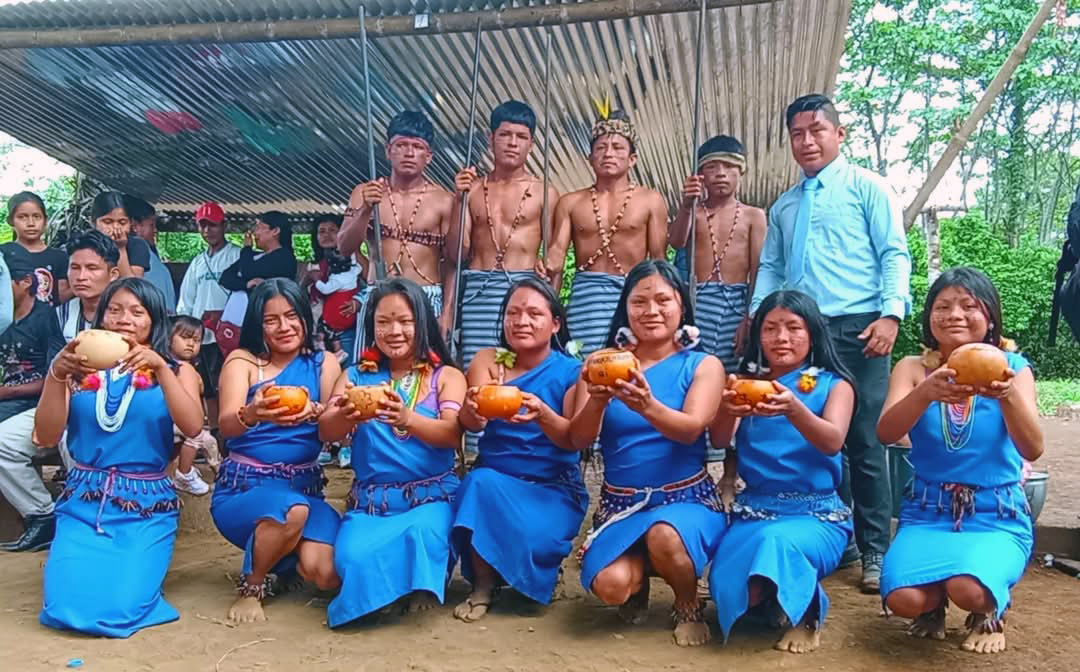
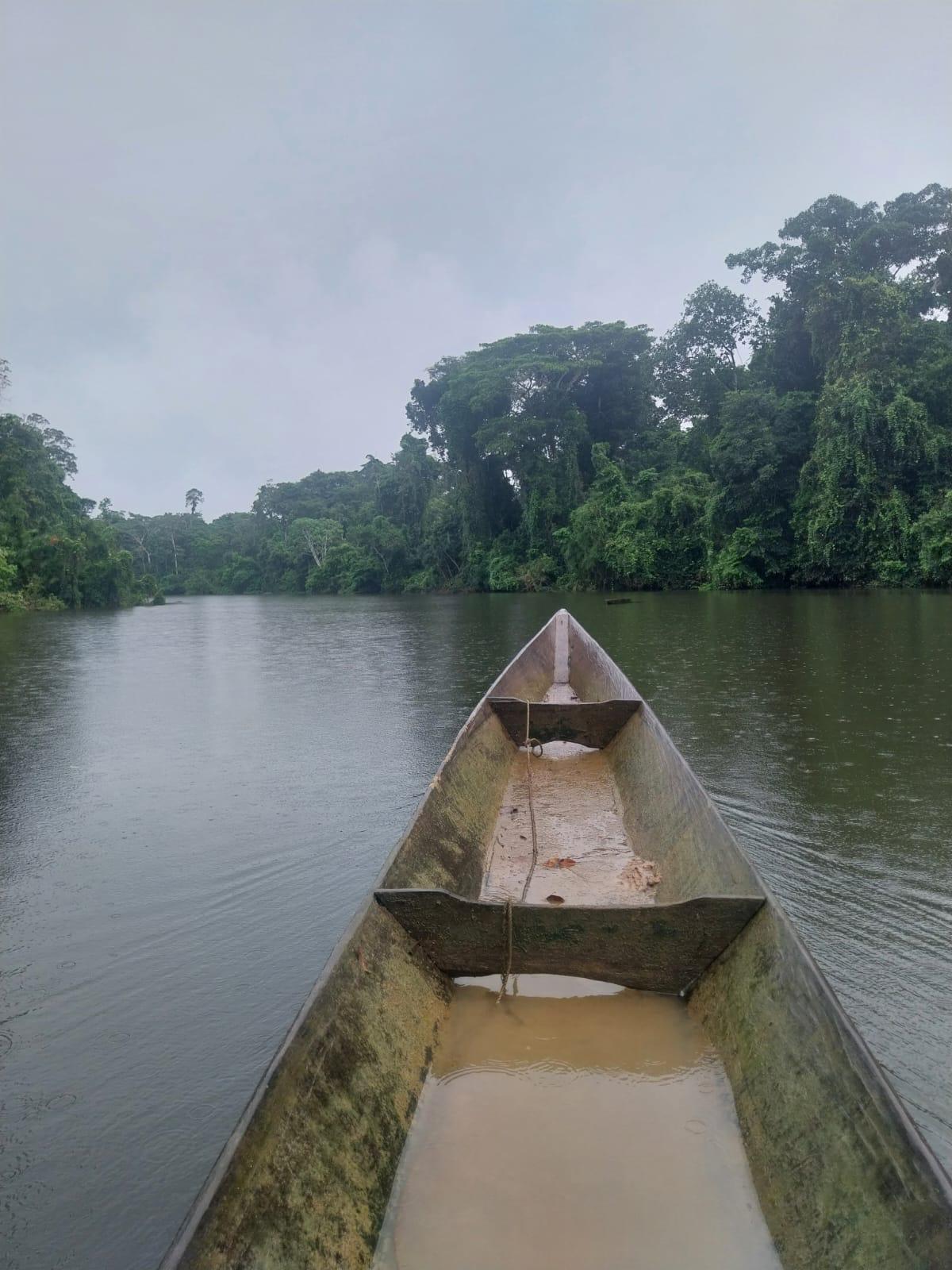
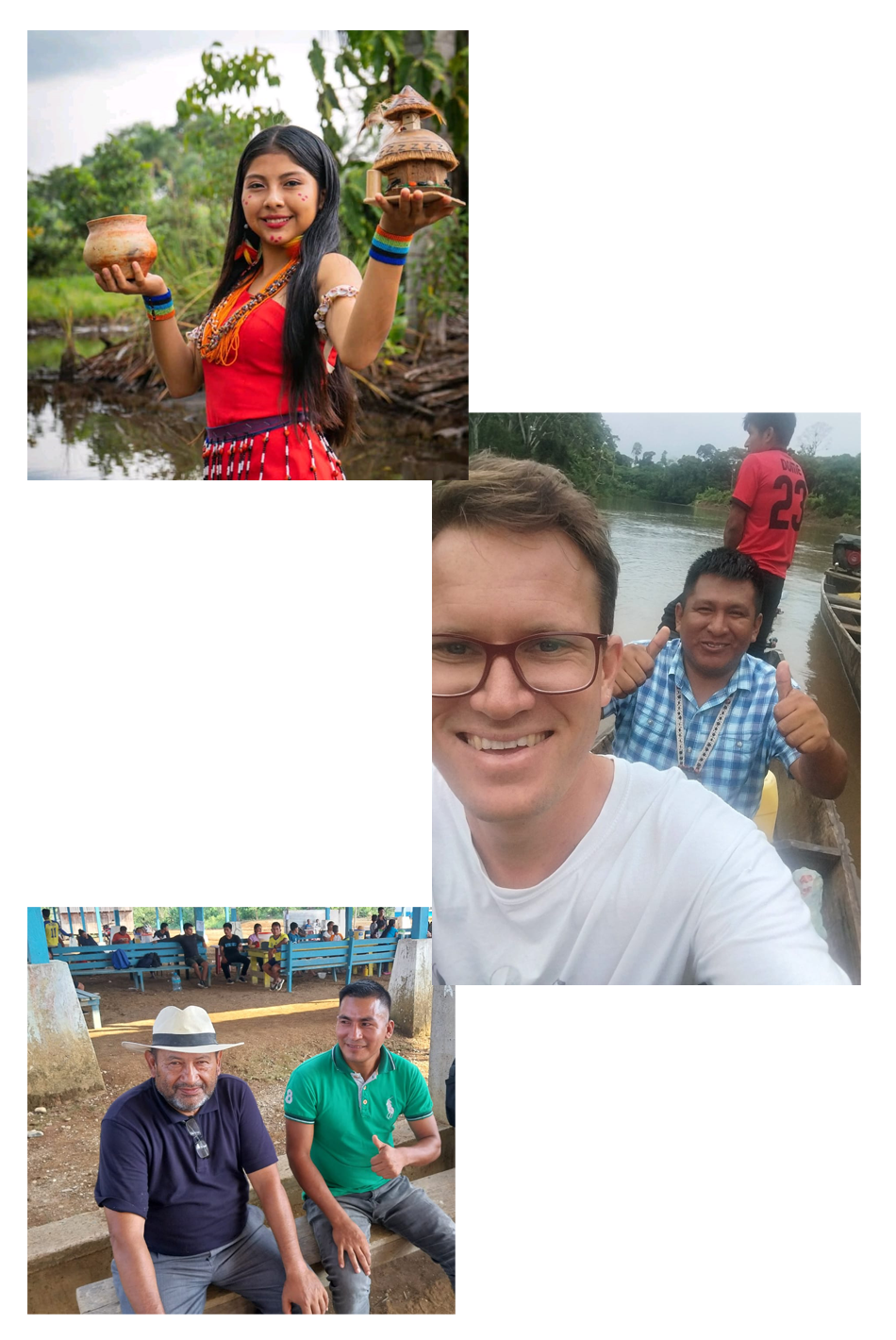
The outreach took six months, with teams traveling by car, canoe, and small plane to reach remote communities. Meetings were held under thatched roofs, with discussions on REDD+ principles, addressing the Shuar leaders’ questions, and breaking bread. In August 2025, at a historic signing ceremony, the Shuar formally agreed to join as project partners. “This project gives us hope,” one elder shared. “Real hope—the first we’ve had in a long time.”
“We believe this project will be considered one of the highest-quality, high-integrity projects issued on a global basis during the period 2025–2027,” said John Rosser, founder of 2050 Advisors. “It demonstrates what’s possible when Indigenous wisdom, scientific rigor, and corporate responsibility come together.”

Science Meets Culture
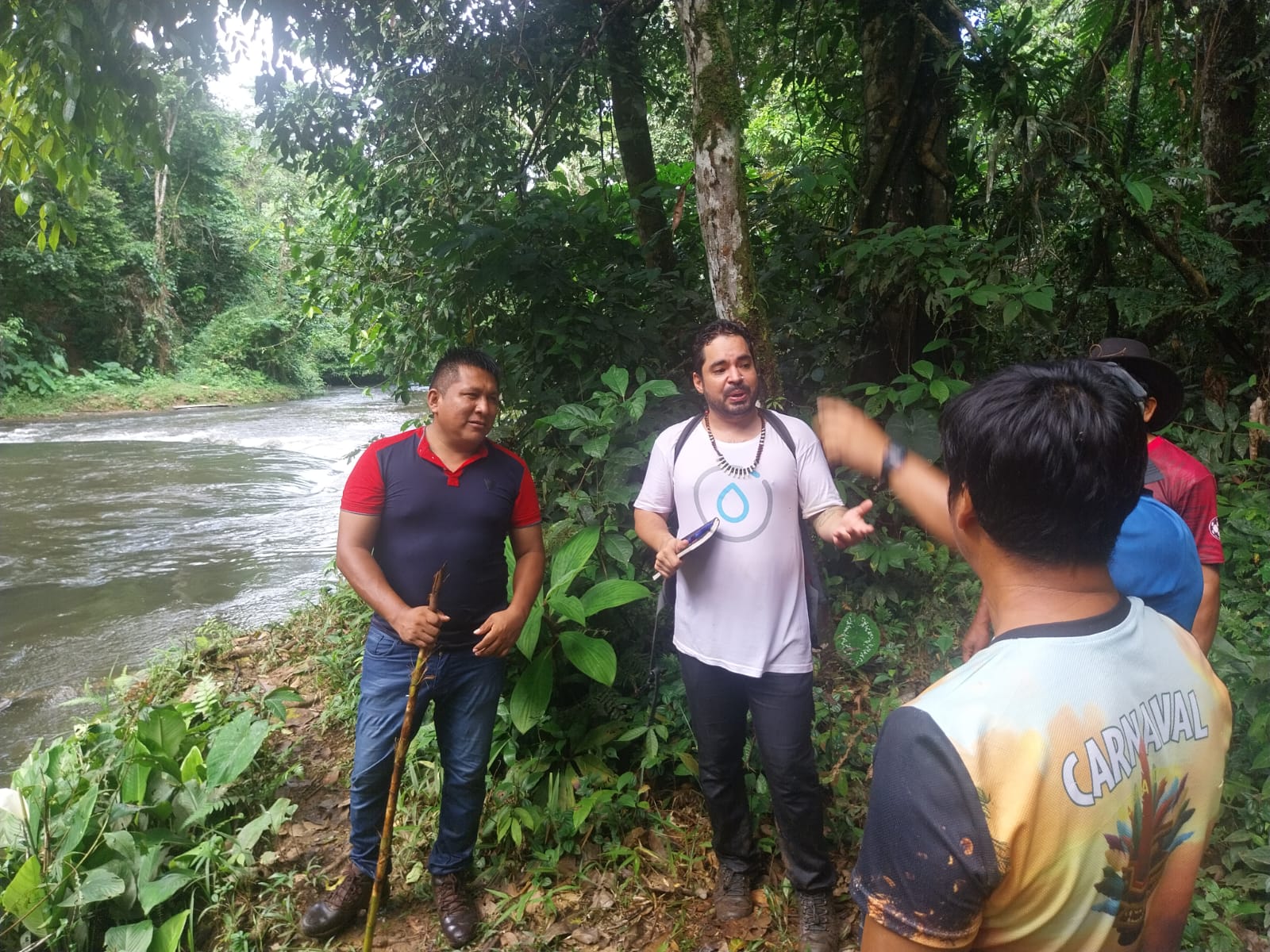
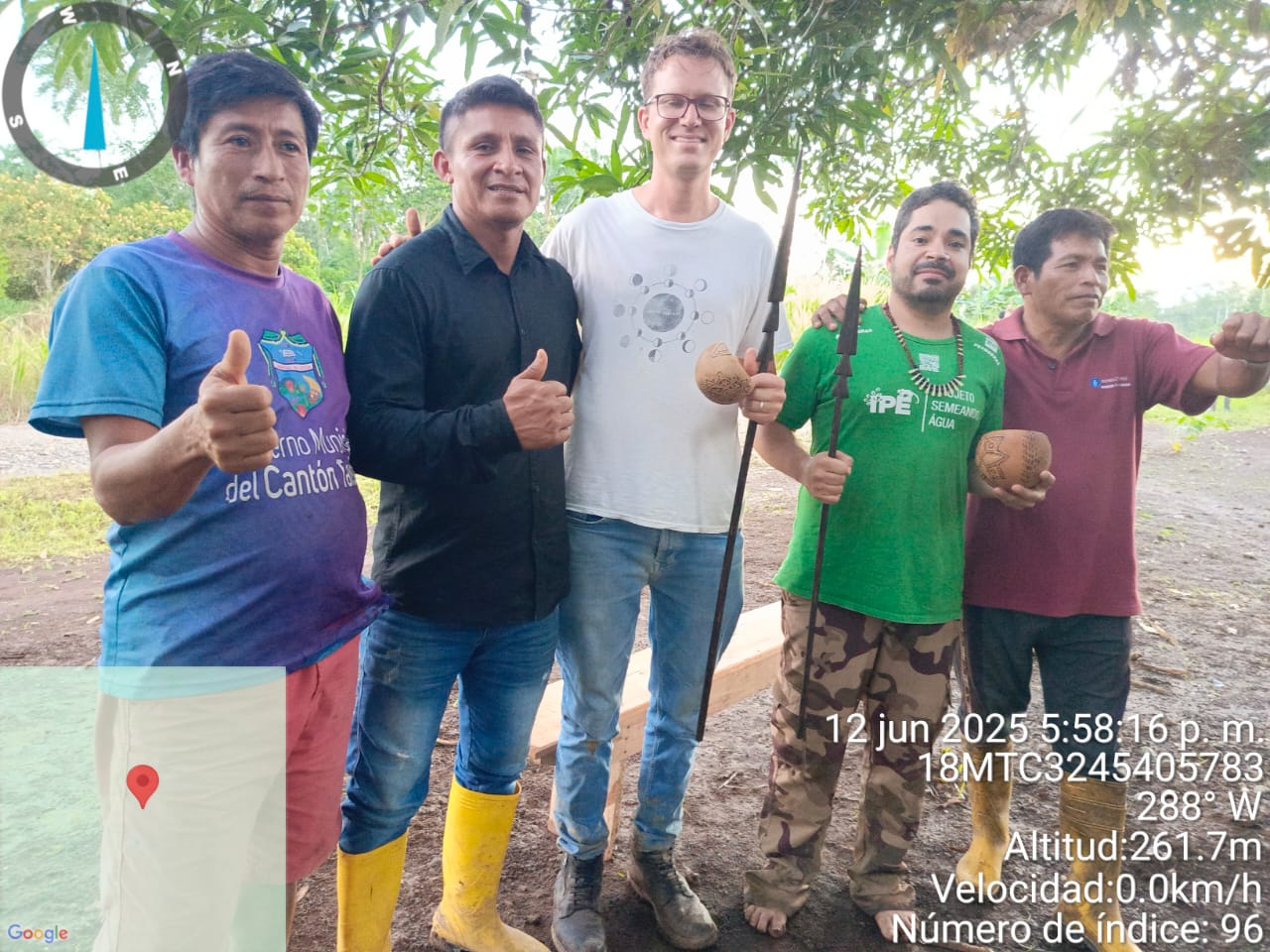
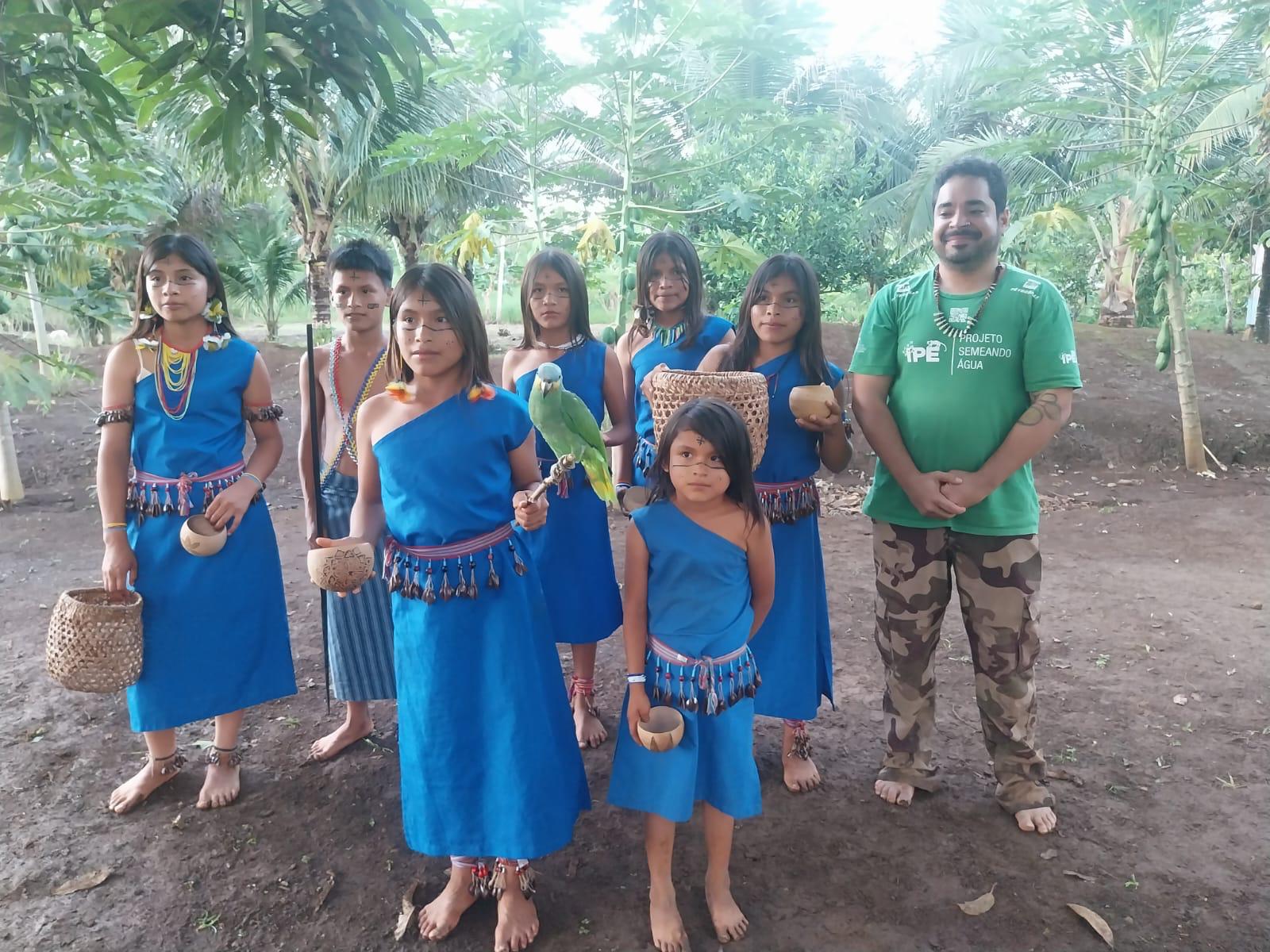
2050 Advisors project leaders jointly conduct field operations with the Shuar community members. Leading the technical program is Gabriel Núñez, an Amazonian biologist and XPRIZE-winning innovator in Monitoring, Reporting, and Verification (MRV). Núñez is internationally recognized for pioneering methods that combine cutting-edge technology with local ecological knowledge.
The project’s field teams deploy eDNA kits, drones, bioacoustic monitors, and camera traps, with AI algorithms accelerating species identification, carbon stock modeling, and biodiversity calculations. Three distinct AI leadership groups have also signed onto the project to advance data collection, strengthen data accuracy, safeguard intellectual property, and ensure that the Shuar retain ownership of their knowledge and heritage.
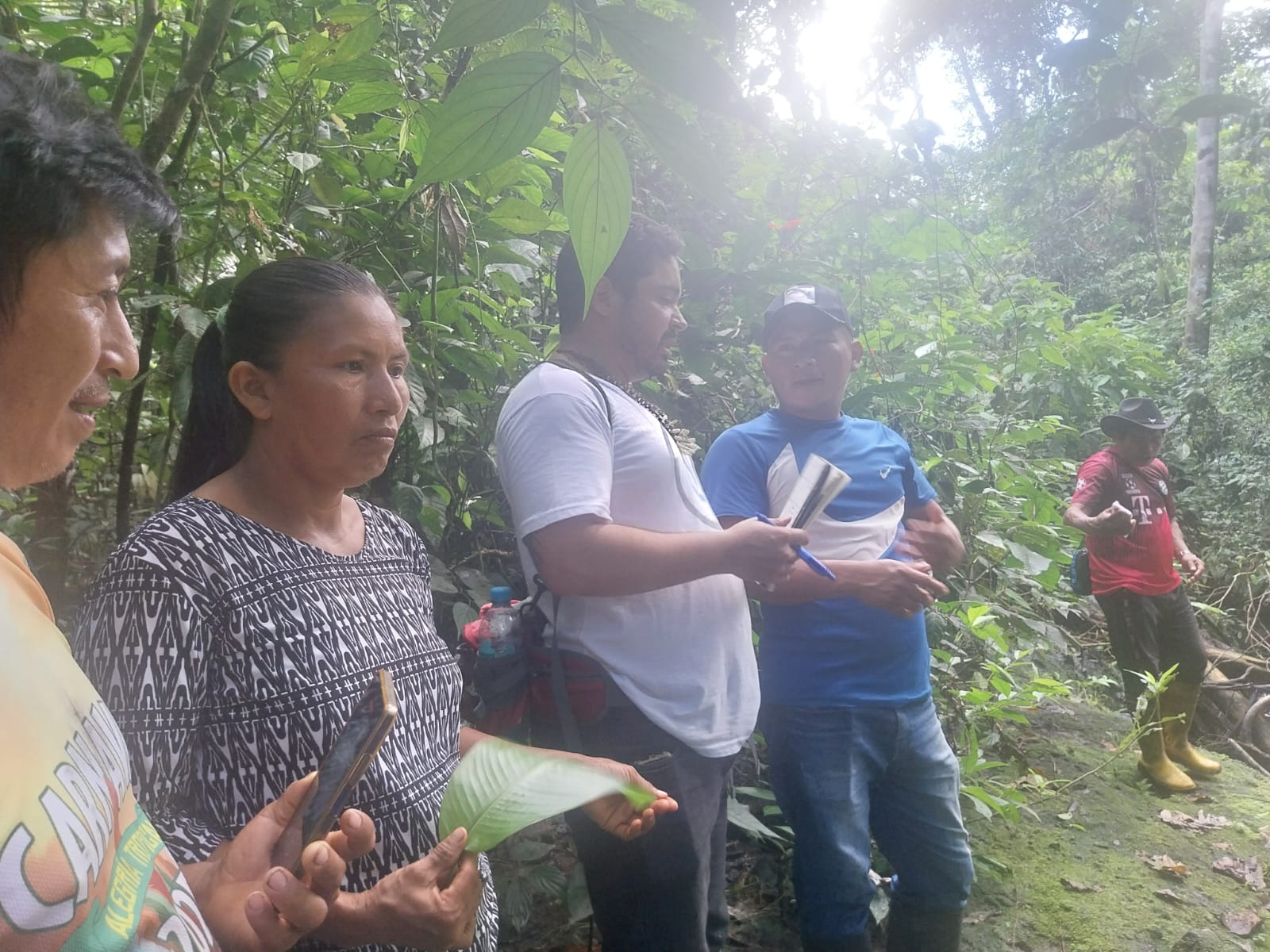
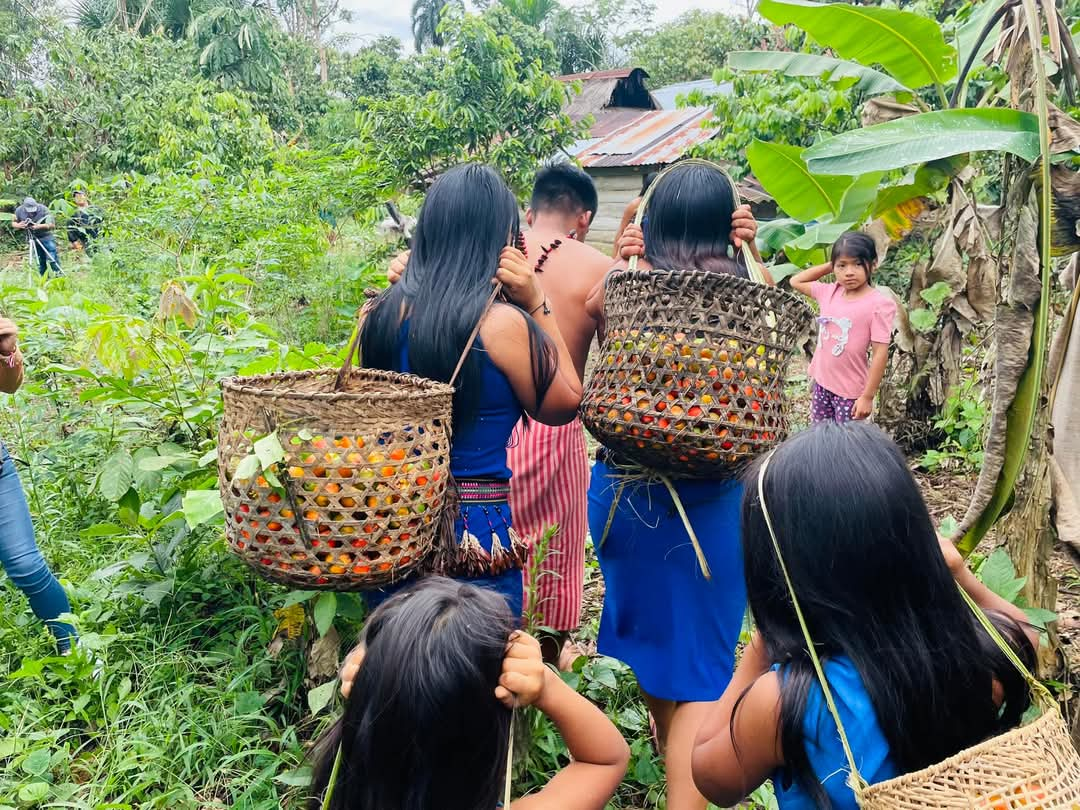
While science informs the practice, local lived knowledge informs the biodiversity methodology. Gabriel Núñez reports that this project is the first of its kind to integrate Shuar ecological and cultural values into biodiversity indicators, tracking seven distinct markers important to the Shuar and the land: three animal species, two cosmological or spiritual sites (such as sacred waterfalls), one land corridor for animal migration, and one regenerative indicator, fungi, a keystone of forest renewal and Shuar agroforestry practices.
This approach reflects growing scientific consensus: as documented by the Global Alliance of Territorial Communities (GATC) and highlighted at COP30, Indigenous-led forest governance consistently yields lower deforestation rates and stronger biodiversity outcomes. Empowering Indigenous stewardship isn’t just ethical, it’s one of the world’s most effective climate strategies.
Integrity and Permanence
To produce high-integrity REDD+ credits, the project must demonstrate durability, known as permanence. Under the REDD+ framework, the project will safeguard the forest for 40 years, with progress reevaluated in the sixth year; it may be renewed once for a total of 80 years of assured protection.
This project meets the highest standards, aligning with the Integrity Council for the Voluntary Carbon Market (ICVCM) and its Core Carbon Principles (CCPs), the global benchmark for transparency, environmental integrity, and social impact. Verra, the world’s leading carbon registry, certifies the project and manages its carbon credit listings.
In addition to carbon credits, the project will generate biodiversity credits, or Nature Credits, under Verra’s new SD VISta Nature Framework, designed to advance the UN Sustainable Development Goals (SDGs). These credits track ecological regeneration, allowing companies to demonstrate a nature-positive impact alongside carbon reduction.
In fact, 2050 Advisors believes this may be among the first projects globally to “stack” carbon and biodiversity credits, creating a new class of integrated climate and nature finance. To maintain eligibility for biodiversity credits, the project must preserve its biological indicators for 20 years, renewable up to 100 years.
The credits generated by this project carry growing significance as global demand for high-integrity Nature-based Solutions accelerates, driven by emerging standards such as the Science Based Targets initiative (SBTi) recently proposed requirement for carbon removals beginning in 2035. As companies worldwide prepare for stricter net-zero expectations and turn to trusted, verifiable projects to meet residual emissions, credits from rigorously monitored, community-led forest conservation initiatives like ours are poised to create value for all involved.
Co-Benefits Rooted in Community
Beyond data, verification, and credits, the project’s human impact is profound. Throughout the tropical world, extractive industries increasingly encroach on Indigenous lands, from the Amazon to Indonesia, undermining climate progress and cultural survival. Here, the opposite is true. Because Shuar land rights are protected, the project strengthens, not supplants, Shuar authority. AVI-SPL’s role channels private finance into a governance model that global climate experts now call essential: direct investment in Indigenous-led conservation.
The Shuar people also retain the majority of the carbon credits generated, ensuring direct economic benefit and long-term self-sufficiency. AVI-SPL’s share of the resulting credits aligns with market value, demonstrating how private investment can complement government funding and community resources to scale such significant conservation.
For the Shuar community, co-benefits include the formation of fire and land security committees, training in regenerative agriculture (particularly in the cultivation of fungi), and employment in forest monitoring and research. Through digital connectivity, Shuar leader William Shaqi maintains real-time communication with community representatives across all 40 territories, bridging tradition and technology.
“Private investment is the catalyst that turns conservation ambition into action,” said John Rosser of 2050 Advisors. “Without it, projects like this can’t move from vision to reality.”
A Blueprint for the Future
For AVI-SPL, this initiative marks more than community philanthropy; it marks the start of its global decarbonization efforts. It’s a strategic milestone. The company’s 2024 merger with ICAP expanded operations into South America for the first time, opening pathways to local engagement and carbon stewardship. With expanded operations across South America, beginning in the heart of the Amazon felt like more than a strategy to AVI-SPL; it felt like a commitment.
Public funding alone cannot deliver the scale of carbon removal required to meet global climate goals. Private investment like this is essential to accelerate high-quality projects that protect ecosystems, benefit local communities, and build the long-term solutions needed for durable climate impact.
“We believe technology-based solutions that enable a more sustainable future must go hand in hand with nature-based solutions that harmonize humans, technology, and the natural world,” says Kelly Bousman, Senior Vice President of ESG and Sustainability at AVI-SPL.
This model is a first for the AV and unified communications industry, a convergence of tech and nature rarely seen at this scale. Beyond the tech industry, this project illustrates how company-community partnerships and Nature-based Solutions can be a cornerstone of global climate strategy, helping companies offset unavoidable emissions while restoring ecosystems and empowering Indigenous leadership.
This swath of the Morona-Santiago rainforest now stands not only as a well-guarded carbon sink but as a living model of regeneration, where the pulse of the rainforest, the wisdom of the Shuar, the guidance of 2050 Advisors, and the vision of a global company converge. Kelly Bousman adds, “Together, we’re helping create the balance our world needs to thrive.”
Each hectare protected, each collaboration forged, is a reminder that the forest breathes for all of us, and that the rainforest’s future, like ours, depends on balance — and bold action like AVI-SPL’s investment.