
Sep 10, 2026
The blueprint for a consistent, high-performance workplace experience
View moreJan 26 - 2026

In November 2025, AVI-SPL made a decisive commitment: we pledged to set science-based targets (SBTs) aligned with the latest climate science and guided by the Science Based Targets initiative (SBTi).
For us, science-based targets are part of a much bigger story — one that goes beyond ambition to real-world execution. Setting targets responsibly means understanding our global footprint, how we expect to grow, and which levers will genuinely reduce emissions over time.
As we look ahead, we’re building a decarbonization strategy that’s both rigorous and realistic. We’ll lower our emissions where possible, while protecting the natural systems that make global resilience possible.
That forward-looking approach led us to the Ecuadorian Amazon.
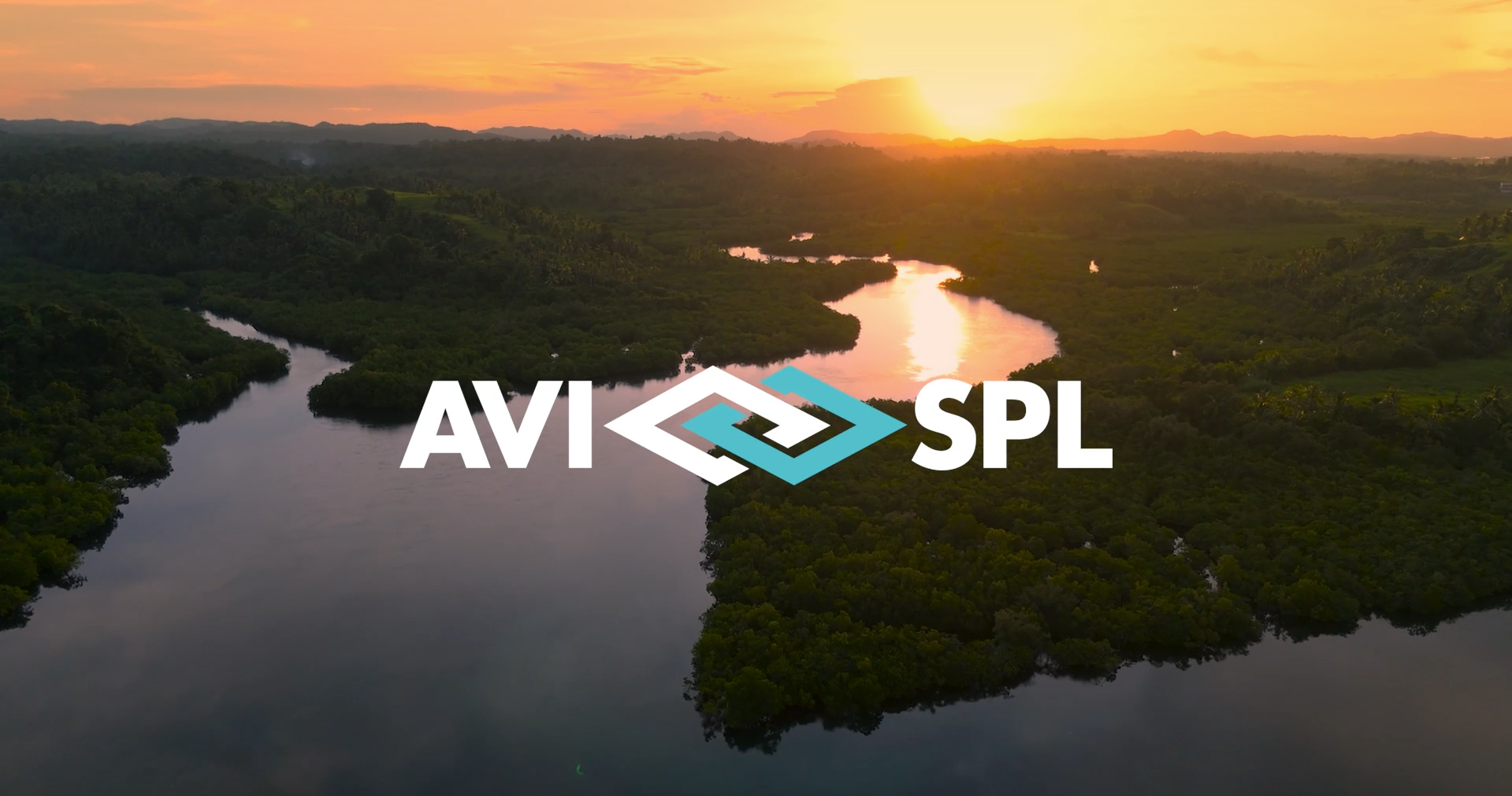
In January 2025, as we prepared our science-based target submission, AVI-SPL launched its first large-scale Nature-Based Solution (NbS): a REDD+ forest conservation and biodiversity project in Ecuador. The initiative, developed in partnership with sustainability consultancy 2050 Advisors and the Indigenous Shuar communities, aligns with the United Nations framework for responsible carbon mitigation.
The project also reflects a core AVI-SPL value: investing in the communities where we live and work. In December 2024, AVI-SPL expanded into South America through the acquisition of ICAP, adding new colleagues and operations across the region. Launching the Ecuador project shortly thereafter was a deliberate expression of that responsibility, an investment in climate action rooted in local connection.
The project safeguards nearly 350,000 acres of old-growth rainforest in the Amazon Basin, one of the most biodiverse ecosystems on Earth and a region scientists warn is nearing a critical ecological tipping point.
This wasn’t about buying credits off the shelf. Nor was it about offsetting instead of reducing. We’re committed to a comprehensive decarbonization strategy, one that prioritizes emissions reduction while planning responsibly for the emissions that can’t yet be eliminated.
That decarbonization strategy includes multiple levers: operational efficiency, supply chain collaboration, renewable energy, future carbon removals, and high-integrity Nature-Based Solutions that protect existing carbon stocks today.
Rather than waiting for mature markets to emerge, we chose to act now. We helped design and launch our Ecuador REDD+ biodiversity project from the ground up, providing early-stage capital and long-term support.
Nature-Based Solutions are gaining traction for a reason. When executed with integrity, they do more than mitigate carbon emissions. They protect biodiversity, strengthen community resilience, and safeguard natural assets that underpin global supply chains.
As companies move from pledges to implementation, Nature-Based Solutions are increasingly seen as a vital complement to emission reductions, especially when addressing residual emissions that remain despite efficiency gains.
This direction is reinforced by the Science Based Targets initiative’s forthcoming update to its Corporate Net-Zero Standard, which signals a growing expectation that companies take responsibility for ongoing emissions through credible, high-integrity solutions, positioning NbS as a key part of future net-zero strategies.
Reducing emissions remains essential. But protecting nature’s carbon sinks is just as critical.
Long-term conservation starts with people, not just metrics.
Under Ecuador’s constitution, the Shuar communities hold collective legal ownership of their ancestral lands. Before data collection began, 2050 Advisors completed a six-month Free, Prior, and Informed Consent (FPIC) process across 40 territories. The project proceeded only with full community authorization and leadership.
Today, Shuar community members and scientists work side by side in the field, using advanced technologies such as environmental DNA sampling, drones, AI-supported analysis, and bioacoustic monitoring. Biodiversity indicators combine scientific data with Indigenous ecological knowledge, tracking species movements, sacred natural sites, and key forest health markers such as regenerative fungi.
This collaborative model reflects how AVI-SPL operates when entering new regions: by listening first, partnering locally, and aligning our values with how work gets done on the ground.
The majority of the carbon and nature credits generated remain with the Shuar communities, ensuring long-term local benefit. AVI-SPL receives a share aligned with market value, demonstrating how private investment can empower rather than replace Indigenous stewardship.
As a global integrator, AVI-SPL connects technology manufacturers, platforms, and enterprise customers. That position brings both responsibility and opportunity.
Many of our customers are navigating science-based targets, Scope 3 emissions, and complex net-zero pathways. Increasingly, they’re looking for partners who demonstrate sustainability in practice—not just in promise.
Our investment in Nature-Based Solutions reflects how we view collaboration:
In the AV and unified communications industry, we believe AVI-SPL is the first company to initiate, rather than simply provide financial support of, a verified Nature-Based Solution project. Most corporate engagement in this space begins downstream, through credit purchases. True to our core value of being a trailblazer, we chose to start upstream.
We did so because high-integrity projects take time, and because the risks of waiting are growing — for companies, for communities, and for the climate.
By investing early, we’re contributing to the supply of trustworthy Nature-Based Solutions that global markets will increasingly rely on. And we’re learning, in real time, what it takes to do this work responsibly, alongside Indigenous partners, scientists, and our customers.
Our commitment to setting science-based targets defines our direction. Our investment in Nature-Based Solutions puts that commitment into practice.
As our Ecuador REDD+ biodiversity project evolves, we will share updates, remain transparent about progress, and seek new opportunities to advance emissions reductions, biodiversity protection, and shared value creation.
If you are a global brand exploring decarbonization, supply chain sustainability, or credible pathways to Net Zero, we invite you to talk with us.
Together, we can reduce our shared carbon footprint and shape a more balanced, resilient future.