

Oct 12, 2026
Beyond Deployment: The Value of the Right Global Partners
View more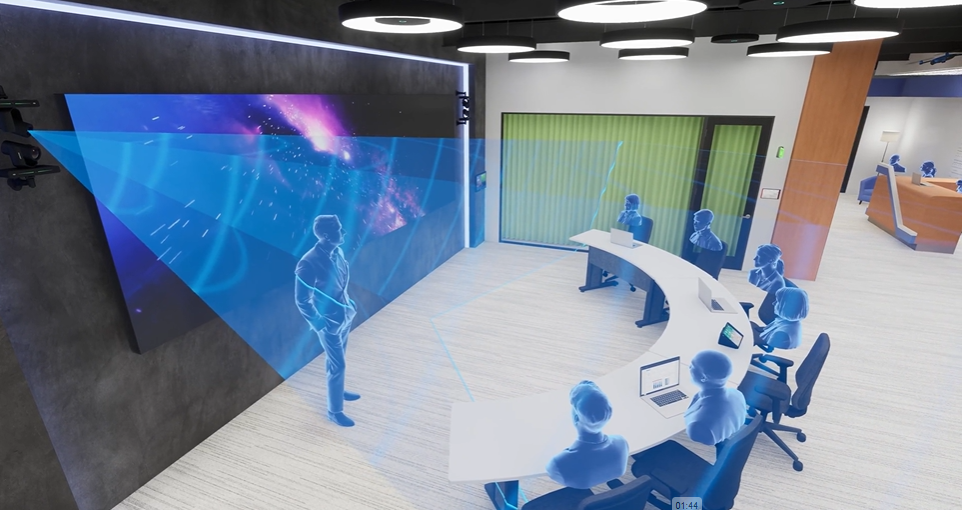
Your teams expect collaboration technology to simply work.
Does yours? Sometimes, meetings start late while people fix audio or video. Some rooms are intuitive, while others take extra effort. Remote participants struggle to stay engaged, and some spaces go underused.
According to Gallup, global employee engagement has fallen to just 21%, making consistent, reliable workplace experiences even more critical.
The digital workplace experience defines how collaboration performs across your spaces, technology, and teams. This experience is shaped by ease of use, security, sustainability, and AI. And if you haven’t already, identify metrics to help track room and device utilization. When the user experience is inconsistent, it impacts how teams connect, how meetings run, and how work gets done. Over time, these gaps can reduce adoption, increase frustration, and limit the value of your technology investments.
It’s easy to move quickly under pressure to modernize, but rushing leads to underused spaces and inconsistent experiences. Workplace experience design comes down to how collaboration actually works for your teams every day.
Designing a successful workplace experience begins before you plan the technology or the room layout. The most successful organizations take a step back first. They define what success looks like and how their collaboration technology strategy supports it.
Start with these technology considerations:
Define these early to create a more consistent, reliable workplace experience.
Many collaboration spaces function, but not always consistently. Meetings can take longer to start, experiences vary by room, and while some spaces are always booked, others sit empty. Over time, these inconsistencies create friction for your teams and impact productivity, adoption, and overall workplace performance.
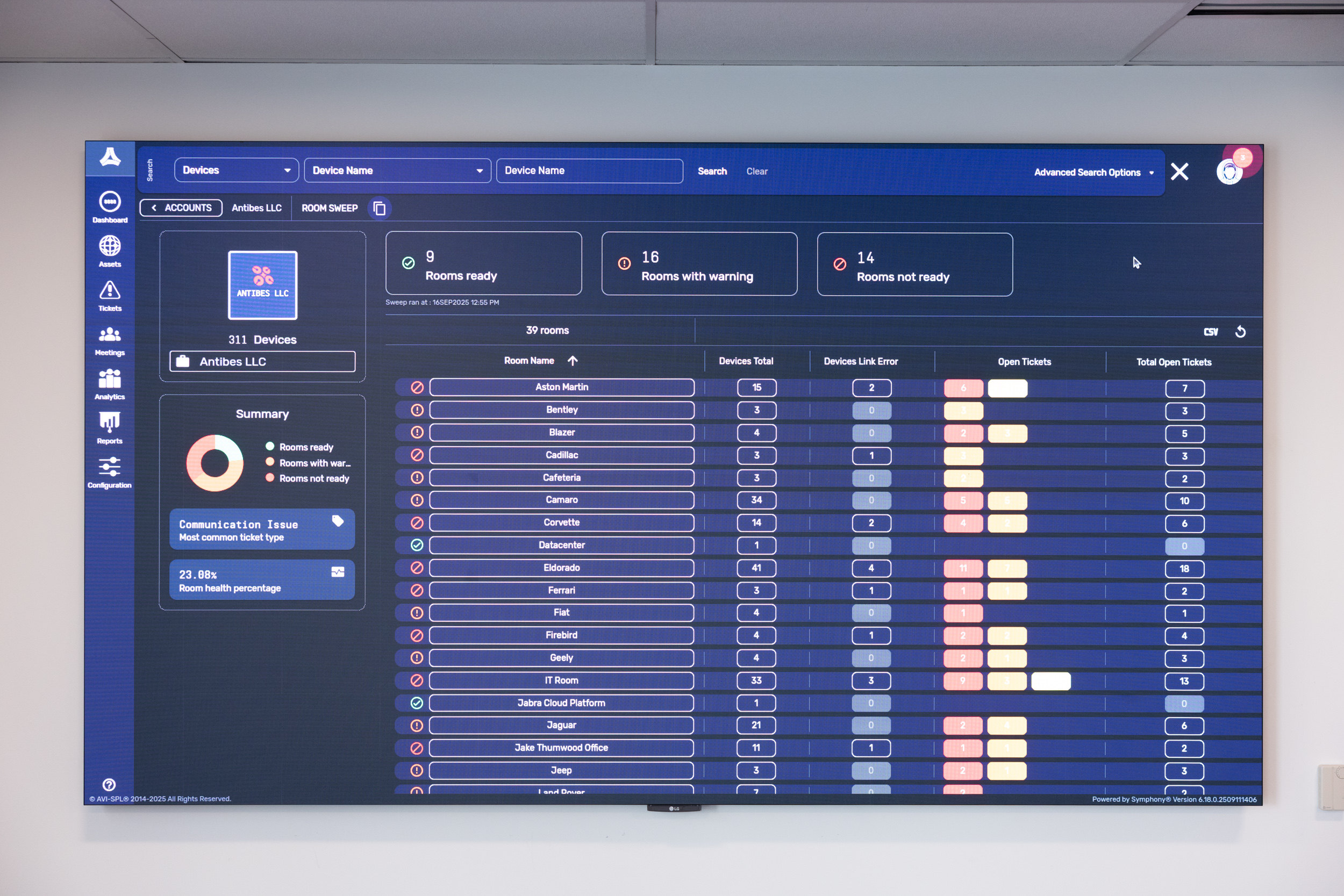
Key workplace experience metrics include:
These insights show which rooms are working, where issues occur, and where your investments deliver the most value.
When you define success early, your digital workplace design becomes more intentional, shifting from building spaces to improving experiences over time.
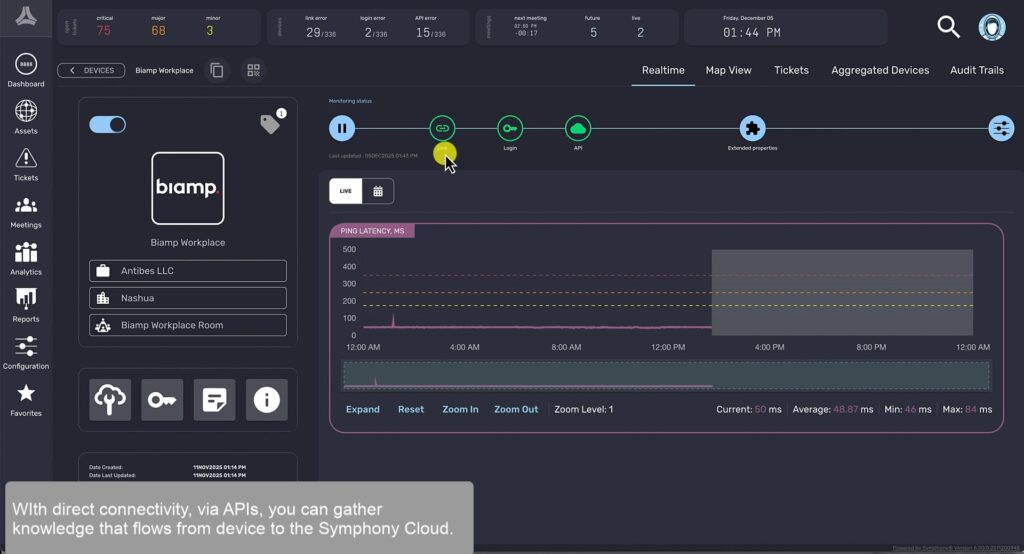
Biamp Workplace streamlines the entire AV lifecycle, from design to daily use and remote optimization, within a single cloud platform. Biamp Workplace also helps IT continuously optimize spaces with usage analytics, proactive health monitoring, and predictive maintenance insights.
In addition, AVI-SPL Symphony natively integrates with Biamp devices, Biamp SageVue, and Biamp Workplace. This enables Symphony to leverage controllable actions within its Automation Workflow to create Shut Down and Start Up processes, alongside other technologies in the same space.
This will directly impact your energy consumption and cost savings, giving you even more real-time data. We’ll dive more into sustainability, another key design consideration, a bit later.
A consistent workplace experience comes down to how meetings actually feel for the people in the room and those joining remotely.
Everyone should be able to see and hear clearly, join without friction, and access the same tools and content regardless of location. When that experience breaks down, it creates frustration, slows collaboration, and reduces engagement.
That’s why many organizations are testing room designs before they’re built. Using solutions like AVI-SPL Real-Time Design, teams can experience layouts in advance, understand how meetings will actually function, and identify issues early. This helps ensure spaces support real-world use, not just technical requirements.
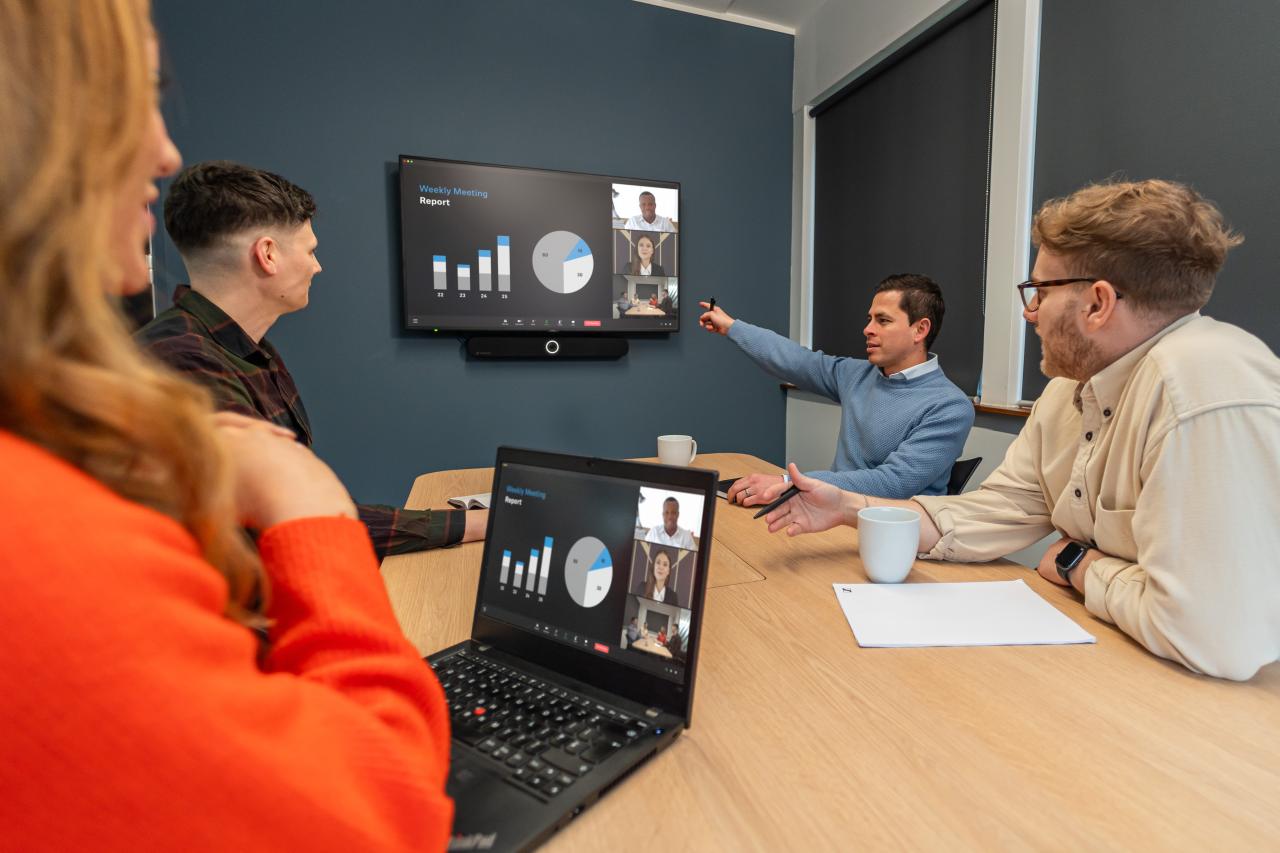
We know that audio plays a critical role in productive meetings. When participants can clearly hear and follow the conversation, collaboration becomes more engaging. Sennheiser TeamConnect solutions help meetings feel natural by capturing voices clearly and consistently while allowing technology to fade into the background. Conversations flow without disruption.
The Sennheiser TeamConnect Family enhances the meeting experience in rooms of any size by making it easier for everyone to hear clearly, no matter where they are seated.
Even remote participants follow the conversation more naturally, reducing the need for raised voices or repeated comments. The result is a consistent and engaging experience for all participants.
Learn how professional audio and speaker tracking improve meeting room experiences.
Collaboration spaces now connect devices, cloud platforms, and networks across your organization. That creates risk if security isn’t built into the experience.
In hybrid environments, meetings often span multiple locations, devices, and platforms. Without the right safeguards, this can expose sensitive data and create inconsistent security across collaboration spaces.
A strong approach to secure collaboration technology includes:
Sustainability is now a key factor in workplace technology decisions.
Organizations are looking more closely at how collaboration environments consume energy across systems, including displays, compute devices, and supporting infrastructure. As environments scale across locations, these decisions have a measurable impact on both operational efficiency and long-term sustainability goals.
Energy-efficient devices and systems, lifecycle planning, and remote monitoring reduce environmental impact and long-term costs. These decisions become more important as organizations scale collaboration environments across locations. Sustainable workplace planning and technology support your teams while aligning with organizational goals.
AVI-SPL is committed to providing sustainable solutions by partnering with like-minded organizations, recycling e-waste, and reducing emissions through Global Supply Chain Management.
Learn more about AVI-SPL’s sustainability journey.
AI is now a core part of how hybrid workplace technology works.
Collaboration tools powered by AI reduce friction and improve consistency across meeting environments. They also provide visibility into how spaces are used, helping optimize experience, performance, and space utilization over time.
AI-powered tools are also expanding how collaboration environments operate day to day, including:
The goal is to create environments that adapt to your teams without adding complexity. As AI continues to shape collaboration environments, having the right strategy in place becomes even more important.
These considerations work best as part of a connected workplace experience strategy.
Before designing your spaces, define how the experience should perform. That approach ensures your collaboration environments are built with intention, not just technology. It also gives your teams a consistent experience across spaces, whether they are in the office, remote, or moving between locations.
When you align success metrics, security, sustainability, and AI automation early, you create environments that are easier to use, more reliable, and allow technology to fade into the background.
Next, understand how these considerations fit into the Shared Experience Journey.