
Oct 2, 2026
Four Considerations for Modern Command and Control Environments
View more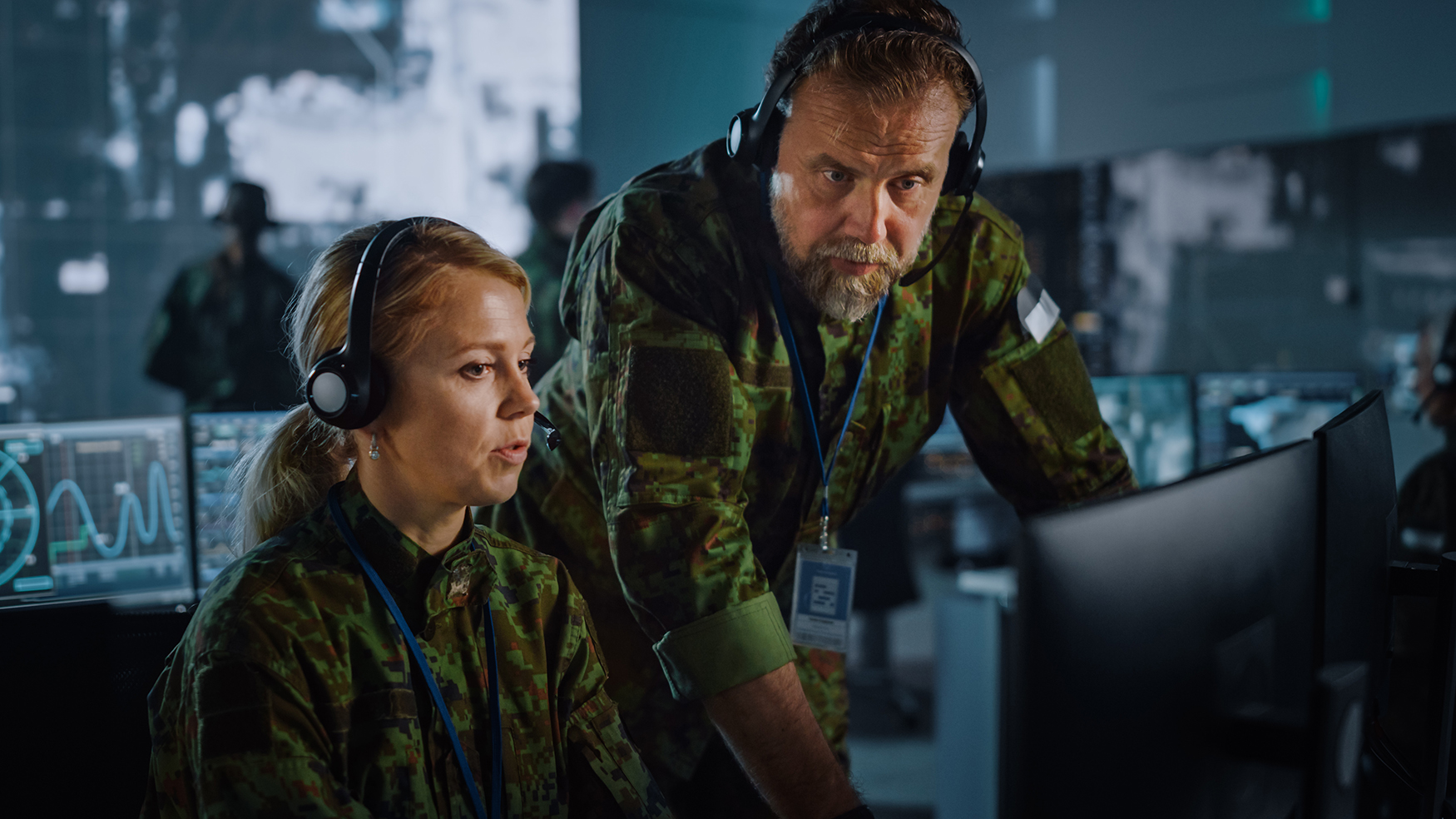
In federal spaces, technology decisions carry higher stakes and checking the compliance box is only the beginning. Federal AV environments need to be dependable, appropriate for the work taking place, manageable by your IT team, and ready to evolve as requirements change.
A technology solution that meets requirements on paper may still fall short if it cannot be deployed on schedule, supported throughout its lifecycle, or aligned with mission objectives. That’s why choosing the right technology partner is just as important as choosing the right technology.
As you plan your next mission-critical space, consider these three technology essentials.
TAA compliance can narrow your technology choices, but it does not tell you whether a solution is right for your environment.
Technology must align with agency requirements and existing security and network standards. In some spaces, technology must go through additional testing and approval before it can be connected or deployed.
This is where federal experience matters.
AVI-SPL understands the language, processes, and technology requirements of government environments. That expertise can reduce the amount of research and coordination your team has to manage across manufacturers.
The goal is simple: you should not have to become the translator between AV manufacturers, procurement teams, security stakeholders, and your mission.
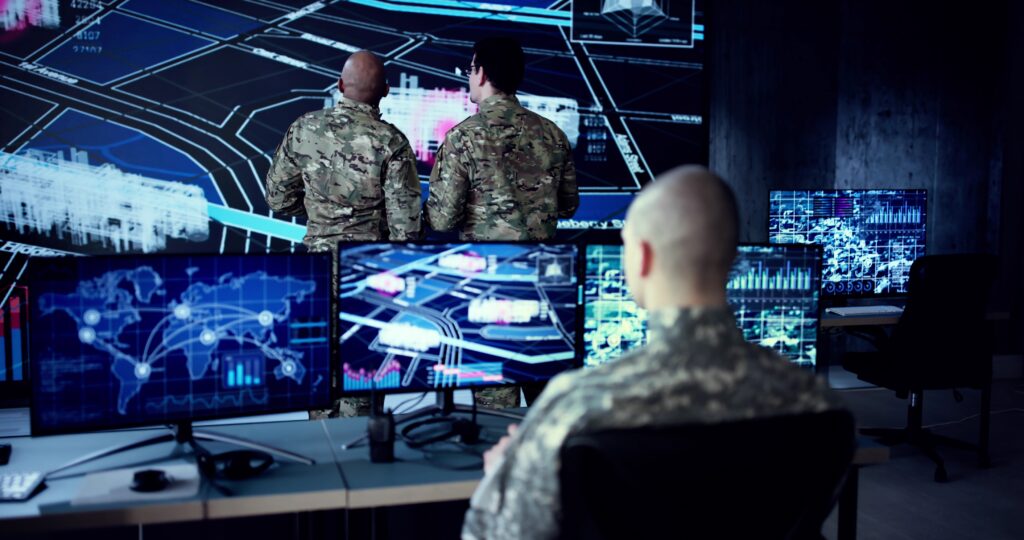
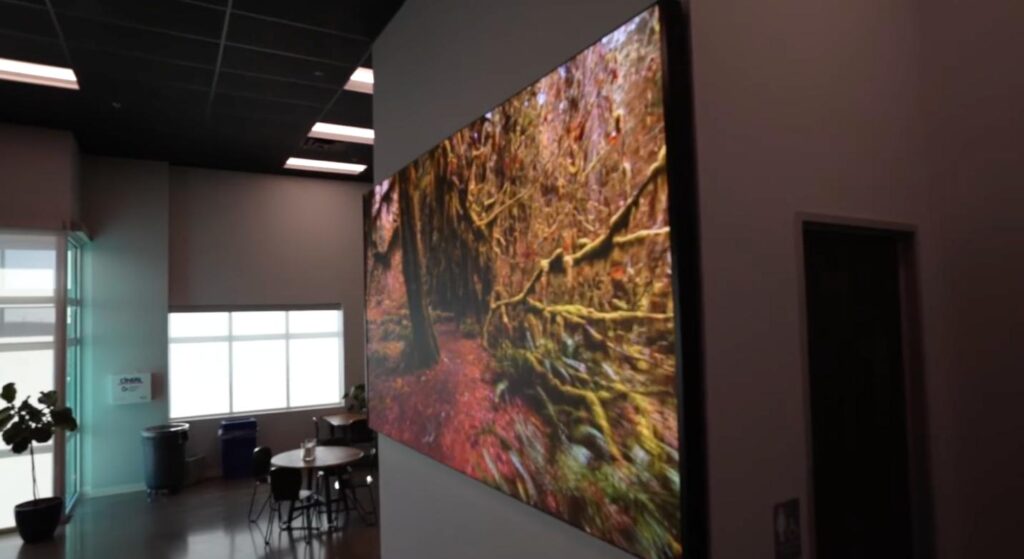
Mission-critical visualization must do more than produce a vivid picture. People need to see detailed information clearly and consistently, whether they are working in a briefing room, training facility, simulation environment, or command-and-control space.
Panasonic offers a wide list of TAA-compliant projection options for government and defense applications. This portfolio gives you options for different room sizes, brightness requirements, resolutions, and operational needs, helping you match the projection system to the work taking place in the space.
In mission-critical spaces, technology has to be ready when your people need it. Reliability is not simply an IT performance metric. It can affect how quickly teams communicate, share information, and make decisions.
At the same time, a compliant product is not automatically the right product.
Start with the mission and the people using the space. What information needs to be visible? How quickly do users need to access it? How many people need to collaborate? What happens if a component fails?
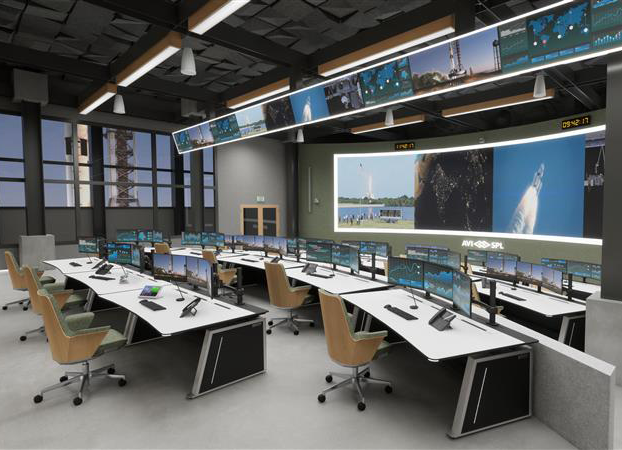
Different environments have different priorities. A command center may prioritize continuous visibility and rapid access to information. A training environment may need immersive visuals and flexible content sources. A briefing room may put greater emphasis on simple operation and consistent collaboration.
Once those requirements are understood, evaluate the complete system, not just the individual products. Consider:
Timing matters, too. Federal procurement schedules can create short windows between purchasing approval and required delivery. The AVI-SPL federal team specifically identified product availability and the ability to meet year-end deployment dates as important concerns.
AVI-SPL can translate those requirements into a complete technology environment and help ensure that audio, video, displays, projection, control, and collaboration platforms operate as one system. Visualization technology is one example of how mission requirements and operational readiness come together in mission-critical spaces.
A successful deployment is important. So is what happens six months, three years, or five years later.
AVI-SPL can help you plan for the complete lifecycle of the environment. That includes design and integration as well as monitoring, maintenance, support, optimization, and future technology refreshes.
AVI-SPL provides:
The right technology does not support your mission if it does not arrive when and where you need it. AVI-SPL’s Global Supply Chain brings procurement, inventory, logistics, and installation readiness together in a coordinated delivery model.
This helps keep technology deployments consistent and reliable across locations. With centralized oversight and logistics expertise, AVI-SPL helps you manage complex deployments while reducing the burden on your internal teams. The program has achieved 98.8% on-time delivery and zero cargo-theft losses, helping projects stay on schedule while protecting technology in transit.
AVI-SPL’s global supply chain program:
When you bring together compliance, mission readiness, and lifecycle support, you create an environment that is easier to deploy, manage, and maintain.
And when the work is mission critical, that confidence matters.
This becomes especially valuable when your environment includes technology from several manufacturers. Instead of asking your IT team to determine which vendor owns each problem, AVI-SPL can provide clearer accountability for the performance and support of the complete system.
Informed federal AV decisions do not start with a product list. They start with what your people need the space to accomplish. When you bring together compliance, mission readiness, and lifecycle support, you create an environment that is easier to deploy, manage, and maintain.
Contact AVI-SPL to get started with Panasonic federal government solutions.